











Top Selling Products
-
 Login to view price
 -
Login to view price
-
Login to view price
-
Login to view price
-
Login to view price
-
Login to view price
Reviews & Ratings
0.00
out of 5.0
(0
reviews)
There have been no reviews for this product yet.
"Refine Sensor"
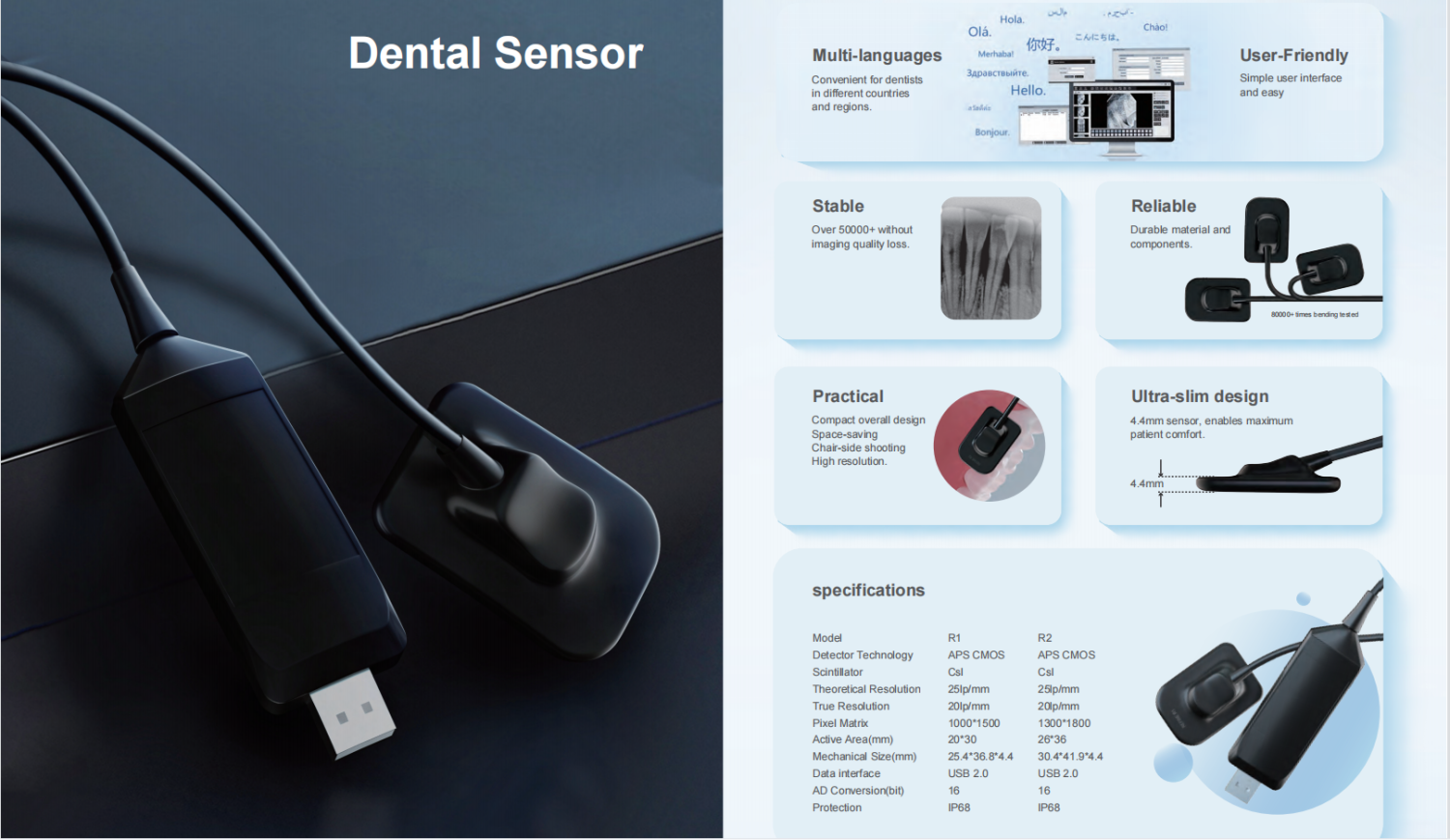
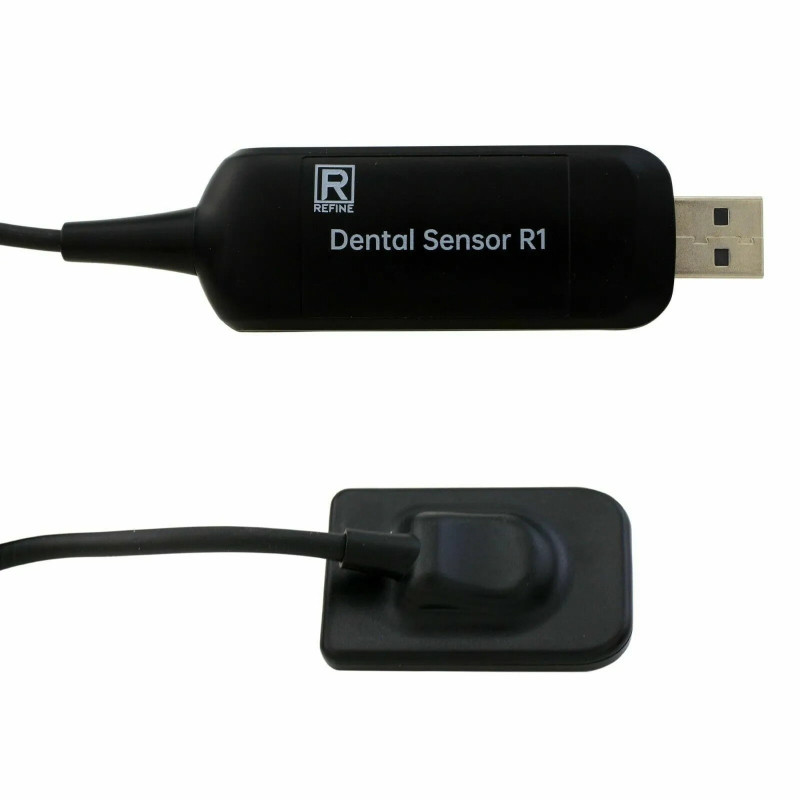
specifications typically refer to Refine Dental
X-ray Sensors (R1/R2), highlighting features like APS
CMOS technology, a CSI scintillator, 20 lp/mm true
resolution, IP68 waterproofing, and USB 2.0 direct
connection, designed for high-quality, low-dose intraoral imaging with
features for user comfort and easy integration with dental software.
Key Specifications (Refine Dental
R1/R2)
- Detector Technology: APS CMOS.
- Scintillator: Cesium Iodide (CSI).
- Resolution: 25 lp/mm theoretical, 20 lp/mm true.
- Pixel Pitch: 20 µm (for some models).
- Data Interface: High-speed Direct USB 2.0 (no
control box needed).
- AD Conversion: 16-bit.
- Waterproofing: IP68 rated.
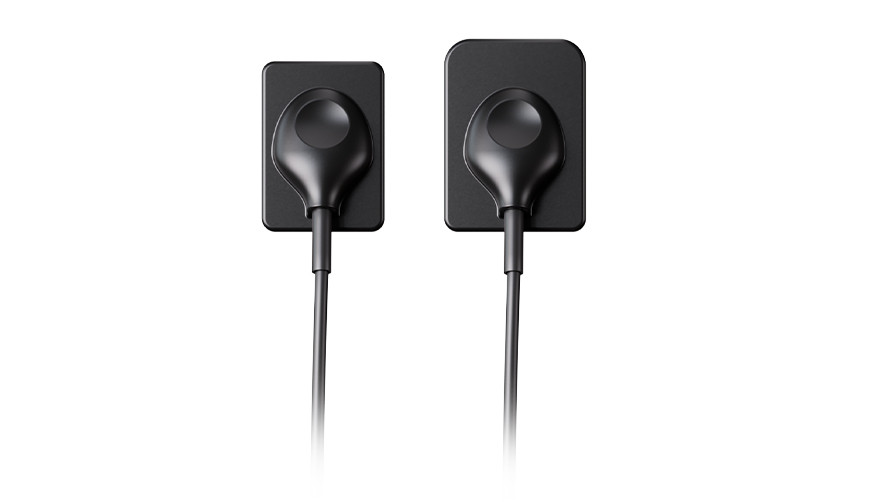
- Sizes: R1
(smaller, e.g., 20x30mm active area) & R2 (larger, e.g., 26x36mm
active area).
Key Features
- Ergonomic Design: Rounded corners, smooth edges,
flexible cable for patient comfort.
- Durable: Tested
for high bending cycles, long lifespan.
- AED
Technology: Automatic
Exposure Detection, compatible with various X-ray generators.
- Software: Comes with dental imaging software
(iRay, compatible with Open Dental, Dexis, etc.).
What This Means (General Sensor
Specs)
When refining sensor requirements,
you look at:
- Detector/Technology: CMOS, CCD, etc., affecting quality
and dose.
- Resolution (lp/mm): How fine the image details are
(higher is better).
- Pixel
Pitch: Size
of individual pixels (smaller is better for detail).
- Active
Area/Size: Physical
dimensions for coverage.
- Interface: USB, Ethernet, Wireless
(connectivity).
- Protection: IP rating for water/dust resistance.
- AD
Conversion: Bit
depth for tonal range (16-bit is good).
Frequently Bought Products
Top Selling Products
-
Login to view price
-
Login to view price
-
Login to view price
-
Login to view price
-
Login to view price
-
Login to view price